



















UNPOPULAR OPINION: HOW LONG CAN YOU LIVE WITHOUT NOTICING HIV
A person can carry HIV for 10 to 15 years without a single symptom. Often, their first clear sign of infection is a rare cancer or the collapse of their immune system.
This long, silent period is why the virus can spread quietly and why public health officials emphasize routine testing rather than waiting for physical signs of illness.


The lifecycle of an untreated HIV infection typically unfolds in three stages. In the first stage, known as acute HIV infection, the virus multiplies rapidly. Within two to four weeks of exposure, some people develop flu-like symptoms—fever, swollen lymph nodes, fatigue, or a rash. Because these symptoms are generic and usually resolve on their own within a few weeks, they are easily dismissed as a routine viral bug like influenza or mononucleosis. Some individuals experience no acute symptoms at all.
Once the initial acute phase passes, the virus enters a stage called clinical latency, or chronic HIV infection. During this time, the virus continues to multiply in the body, but at very low levels. The person will typically feel completely healthy and show no outward signs of infection. This asymptomatic phase is remarkably long. Without antiretroviral therapy (ART), clinical latency usually lasts between 10 and 15 years, though it can progress faster in some individuals. Throughout this decade-long window, the virus remains highly transmissible.
Beneath the surface, the virus is slowly destroying the immune system by attacking CD4 cells, a type of white blood cell crucial for fighting off disease. The person remains unaware of their status until their CD4 count drops so low that their immune system can no longer defend against common environmental pathogens. This marks the transition to Acquired Immunodeficiency Syndrome (AIDS). At this late stage, patients become vulnerable to severe opportunistic illnesses, such as pneumocystis pneumonia, tuberculosis, or Kaposi's sarcoma.
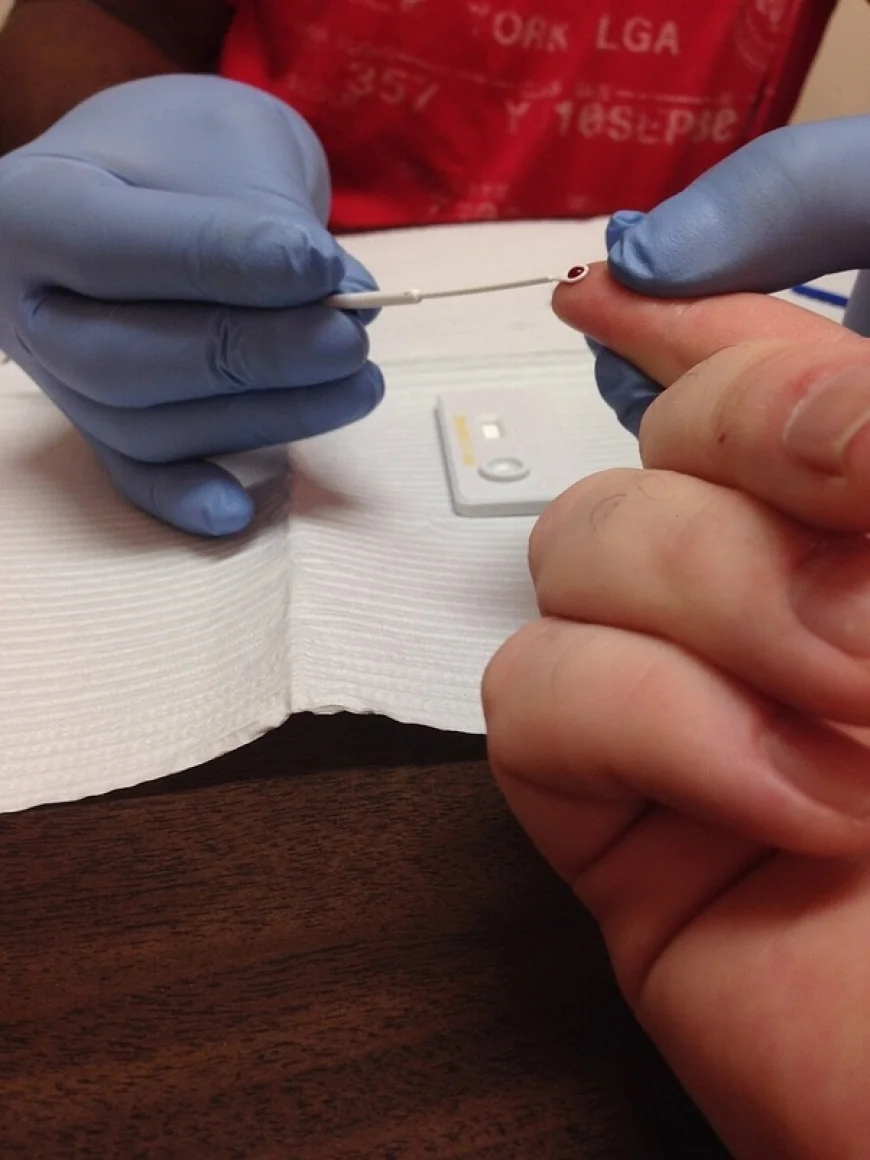
Because a decade can pass between transmission and the onset of serious illness, symptoms are an unreliable indicator of HIV status. Modern rapid blood tests and oral swabs detect HIV antibodies and antigens within weeks of exposure, offering the only definitive way to know if an infection is present long before the immune system begins to fail.