
















Hackers Target Supermarket Freezers Across Europe, Raising Temperatures to 50°C and Destroying Food Stocks
Suspected hackers have remotely raised supermarket freezer temperatures across Europe to as high as 50°C, forcing retailers to discard food.
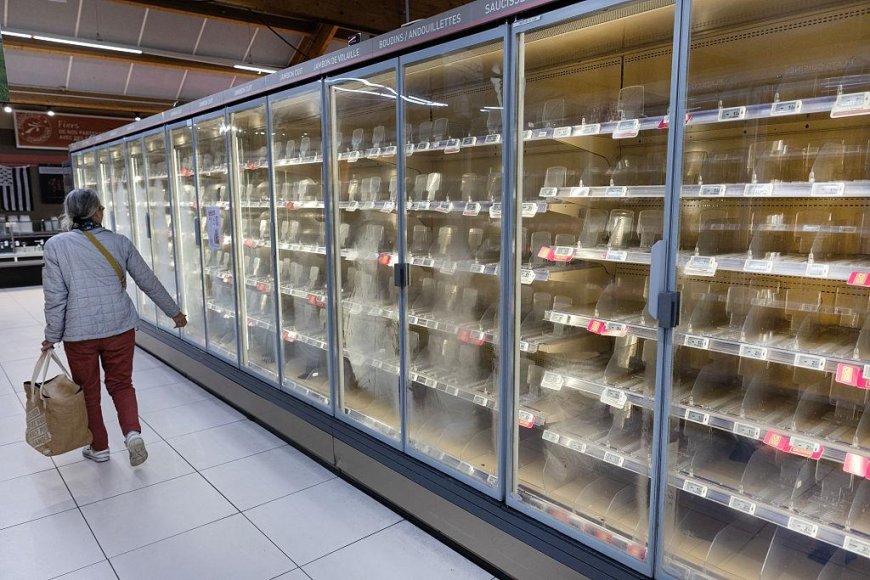
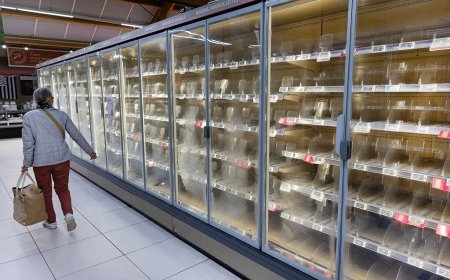
A new wave of suspected cyberattacks has hit supermarket refrigeration systems across Europe, with hackers allegedly gaining remote access to freezer controls and raising temperatures to as high as 50°C, forcing retailers to discard large quantities of food.
Supermarkets in several European countries are investigating suspected cyberattacks after refrigeration and freezer systems were remotely manipulated, resulting in significant food losses and operational disruptions.
The incidents were reported on Monday, November 2, in Sweden, Belgium, Luxembourg and Estonia, with Ireland and the Netherlands also reporting affected retailers.


In some cases, attackers reportedly accessed digital systems controlling supermarket refrigeration equipment and changed temperature settings, causing freezers to heat up rather than maintain the low temperatures required to preserve food.
One affected supermarket in Sweden reportedly recorded freezer temperatures of up to 50°C (122°F), turning equipment designed to preserve frozen products into sources of extreme heat.
The incidents have raised fresh concerns about the cybersecurity of critical infrastructure and the growing risks associated with internet-connected industrial equipment. Reuters +2
Supermarkets forced to dispose of food
In Sweden, major grocery chains ICA and Coop reported problems affecting their refrigeration and freezing systems.
One ICA Kvantum outlet in Sjöbo publicly reported that its refrigeration equipment had been hacked and its temperatures raised to 50°C. The supermarket subsequently began removing and disposing of affected products.
Coop reported similar incidents in six of its stores in central Sweden.
In Belgium and Luxembourg, Ahold Delhaize reported refrigeration problems affecting several dozen stores, while Carrefour Belgium confirmed that 15 of its more than 700 outlets had been affected.
The disruption also affected several other retailers, including Colruyt Group-operated stores.
In Estonia, supermarket chain Selver confirmed that one of its outlets had experienced an incident involving its refrigeration control system.
However, the Estonian incident was detected and addressed within minutes, preventing significant food losses.
Retailers have been forced to assess the safety of affected chilled and frozen products, with some temporarily experiencing reduced availability of fresh and frozen food. ERR +3
How did hackers gain control of supermarket freezers?
Unlike traditional cyberattacks that target customer databases, payment systems or personal information, these incidents demonstrate how hackers can compromise physical equipment through digital networks.
Most modern supermarkets operate sophisticated refrigeration systems connected to central computer networks. These systems allow technicians to monitor temperatures, regulate cooling and perform maintenance remotely.
According to cybersecurity experts, attackers can exploit weaknesses in these systems, including outdated software, exposed internet connections and compromised login credentials.
Once inside, hackers can manipulate temperature settings or activate defrost functions, potentially affecting multiple refrigeration units without physically entering a supermarket.
In some cases, security weaknesses have reportedly included default passwords and poorly protected network connections. Axios +1
France experienced an even larger attack
Monday's incidents are particularly concerning because they follow a similar cyberattack in France in October 2026.
French investigators reported approximately 700 affected supermarkets and food stores after hackers compromised refrigeration control systems.
Major retailers, including Intermarché, Carrefour, Leclerc, Monoprix and Coopérative U, were among those affected.
Some stores reportedly suffered food losses worth tens of thousands of euros, with two supermarkets in the Alsace region recording combined losses of approximately €270,000.
The incidents also reportedly resulted in fires at some locations.
French authorities subsequently launched investigations into the attacks, while cybersecurity agency ANSSI examined vulnerabilities affecting refrigeration controllers from multiple manufacturers.
Investigators have not established whether the October attacks in France and the latest incidents across Europe were conducted by the same individuals or groups. The Guardian +2
US military bases also under investigation
The threat is not limited to commercial supermarkets.
The United States Department of Defense is investigating whether cyberattacks were responsible for freezer malfunctions at at least six military commissaries in August 2026.
The Pentagon's investigation raises concerns about the vulnerability of food storage infrastructure within military installations.
However, it is important to distinguish these incidents: investigators have not publicly established that the military commissary disruptions were connected to the European supermarket attacks. Axios
Who is behind the attacks?
As of Monday, no hacking group has publicly claimed responsibility for the latest European incidents.
Authorities and cybersecurity specialists are still investigating how the attackers accessed the refrigeration systems.
The Belgian Centre for Cybersecurity has acknowledged the incidents, while industry specialists have warned that older refrigeration controllers and inadequate network protection could leave businesses exposed.
Danish refrigeration technology manufacturer Danfoss has previously highlighted security vulnerabilities in older equipment and encouraged customers to install security updates.
Some affected systems are older models that no longer receive regular security support, making them particularly difficult to protect. The Record from Recorded Future News +1
Why this matters beyond Europe
The incidents highlight an emerging dimension of cyberwarfare and digital sabotage: attacking the physical infrastructure that societies depend on.
For decades, cybersecurity discussions have largely focused on stolen passwords, financial fraud, ransomware and compromised government databases.
However, these attacks demonstrate that gaining access to an industrial control system can have consequences in the physical world.
A compromised refrigeration network can destroy food stocks, interrupt supermarket operations, create financial losses and potentially threaten food supply chains.
The same cybersecurity concerns extend to hospitals, pharmaceutical storage facilities, warehouses, water treatment plants, power infrastructure and other facilities that rely on remotely controlled equipment.
As businesses increasingly connect physical infrastructure to the internet, securing those systems is becoming just as important as protecting financial and personal data.
The bigger question is no longer whether hackers can steal information from a business. It is whether they can remotely take control of the physical infrastructure that keeps that business operating.
UNBIASED PLANET | TECHNOLOGY & CYBERSECURITY
Reporting based on information from Reuters, Associated Press, The Guardian, Recorded Future News, ERR and Axios.