
















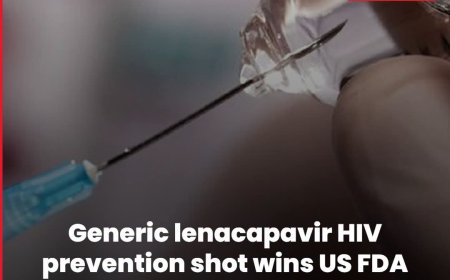


HIV Is No Longer a Death Sentence: How Modern Medicine Changed the Story
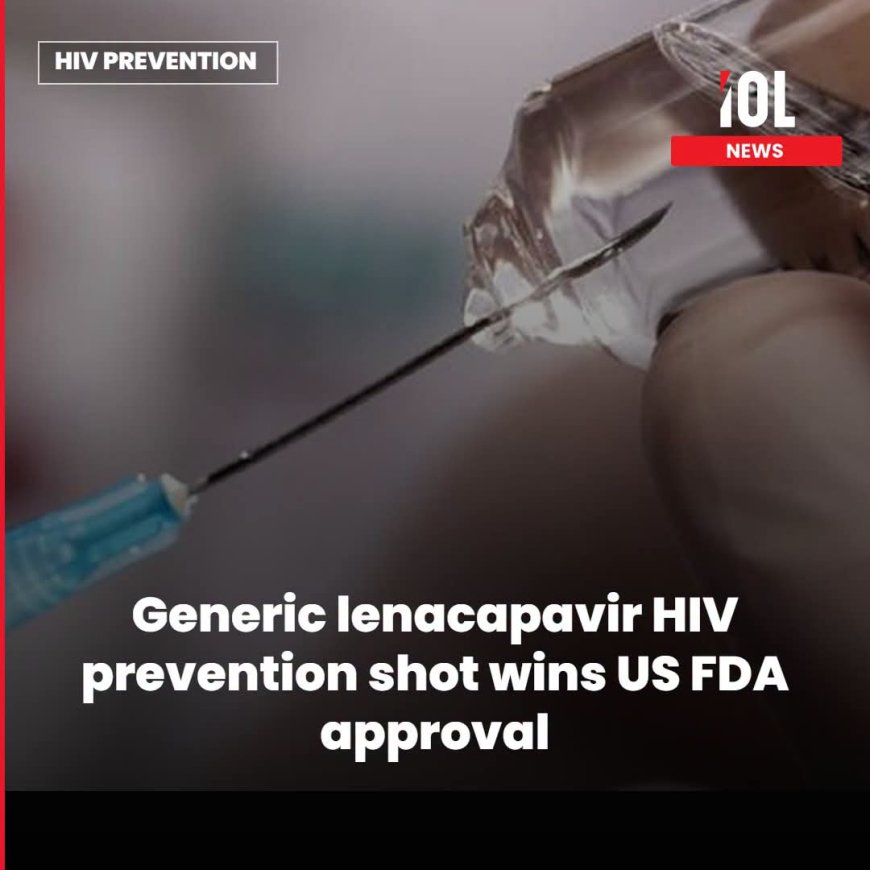
Thanks to modern antiretroviral therapy and new prevention drugs, people living with HIV can now live long, healthy lives.
There was a time when an HIV diagnosis was almost universally associated with fear, stigma and an uncertain future. For many people, it felt like a countdown.
Today, medical science has fundamentally changed that reality.
Thanks to modern antiretroviral therapy (ART), people living with HIV can live long, healthy and productive lives, with life expectancy approaching that of people without HIV when treatment is started early and maintained consistently.


ART works by suppressing HIV replication, reducing the amount of virus in the bloodstream to extremely low levels. In some patients, the viral load becomes so low that it is undetectable using standard tests.
And there is another major breakthrough: Undetectable = Untransmittable (U=U).
People who maintain an undetectable viral load through treatment do not sexually transmit HIV to their partners.
However, HIV has not been cured. Treatment must continue, and regular medical monitoring remains important.
The transformation is remarkable. A condition that once carried a devastating prognosis is now a manageable chronic health condition for millions of people.
The science has advanced. The challenge now is ensuring that access to treatment, early testing, education and freedom from stigma advance with it.