










Russia Agrees to Stop Recruiting Kenyans Into Its Military as Ruto Secures Compensation Deal With Putin
After talks with Vladimir Putin, President Ruto says Russia will stop recruiting Kenyans into its military and compensate affected families.
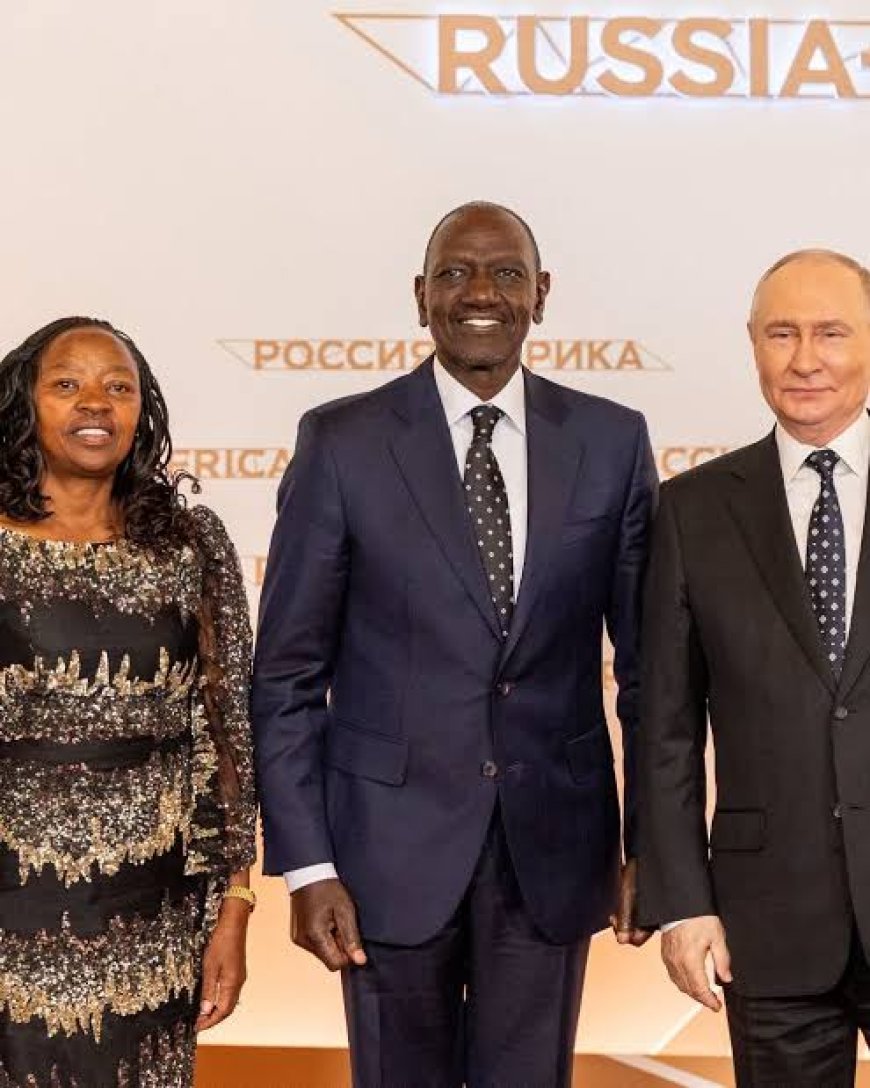
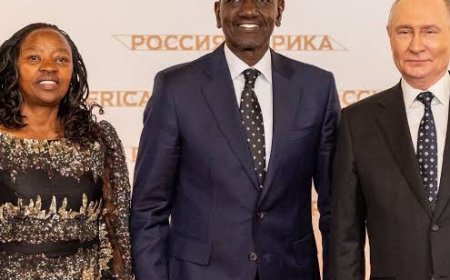
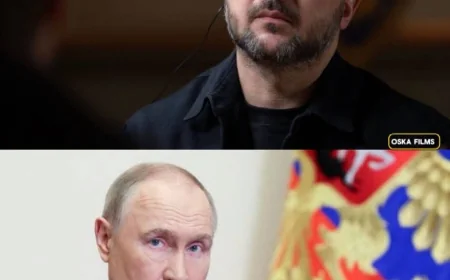
President William Ruto has announced that Russia has agreed to stop recruiting Kenyan nationals into its military, following high-level talks with Russian President Vladimir Putin at the Kremlin on Friday, October 30, 2026.
According to Ruto, Putin confirmed that Kenya would be designated a non-source country for Russian military recruitment, meaning Kenyans would no longer be enlisted into the Russian armed forces under the arrangement announced by the two leaders.
The announcement comes amid growing concerns over Kenyan nationals who travelled to Russia after allegedly being promised lucrative civilian employment opportunities, only to find themselves serving in the ongoing war against Ukraine.


Compensation and repatriation of affected Kenyans
Beyond the recruitment agreement, President Ruto announced that Kenya had appointed a Defence Attaché to its embassy in Moscow.
The official will liaise directly with Russia's Ministry of Defence to facilitate the return of Kenyans who were recruited into military service and assist in processing compensation for those affected.
However, the President did not disclose the proposed compensation amounts, eligibility requirements, payment timelines or the number of families expected to benefit.
These details will be particularly important for families who have spent months searching for missing relatives, seeking confirmation of deaths and demanding the return of their loved ones.
More than 1,000 Kenyans reportedly recruited
The scale of the recruitment crisis has been a subject of growing concern.
An intelligence report presented to Kenya's Parliament indicated that more than 1,000 Kenyans had been recruited into the Russian military.
A separate petition presented by affected families reportedly contained approximately 841 names, while the government had previously acknowledged recording 354 cases.
Investigations and media reports have documented cases in which Kenyans were allegedly recruited through employment agencies and individual intermediaries using promises of well-paying jobs, security positions and other civilian opportunities.
Some recruits reportedly travelled to Russia expecting employment before being channelled into military service.
The crisis has left families struggling to establish whether their relatives are alive, injured, detained, missing or dead.
A compensation process that needs scrutiny
While the announcement offers a potential diplomatic pathway, compensation is not necessarily as straightforward as announcing an agreement.
A previous investigation by the Daily Nation documented how private intermediaries approached affected families with promises of millions of shillings in compensation, sometimes demanding substantial commissions and sensitive personal documents.
The investigation raised questions about the legitimacy of some intermediaries and whether they had any official authority to process claims.
This makes government oversight particularly important.
Affected families need a transparent, verifiable process that identifies eligible beneficiaries, establishes the status of missing recruits and ensures compensation reaches the rightful next of kin.
Families should also be cautious about individuals demanding upfront payments, passports, identification documents or cryptocurrency transfers while claiming to represent Russian military authorities.
Kenya and Russia deepen bilateral relations
The meeting between Ruto and Putin also extended beyond the recruitment crisis.
The two countries signed five bilateral instruments covering economic cooperation, labour matters, transport, visa-free travel for diplomatic and service passport holders, and diplomatic training.
Russia also committed to increasing scholarship opportunities for Kenyan students from the current allocation of 70 to 300.
The proposed scholarships will cover areas including healthcare, artificial intelligence, technology, aviation and cybersecurity.
The two leaders further discussed cooperation involving the United Nations Office in Nairobi and broader economic relations.
The bigger question: What happens to the affected families?
For Kenya, the announcement represents an important diplomatic development. However, the real measure of its success will be what happens after the cameras leave Moscow.
Will the missing Kenyans be accounted for? Will those still serving in the Russian military be safely returned? Will families receive compensation without exploitation by private brokers? And will those responsible for deceptive recruitment networks face accountability?
For families who have spent months waiting for answers, diplomatic announcements are only the beginning.
They need names, verified information, safe repatriation and justice.
Unbiased Planet will continue following the developments.
Sources: TUKO,
The Daily Nation, Reuters and the Africa Center for Strategic Studies.